
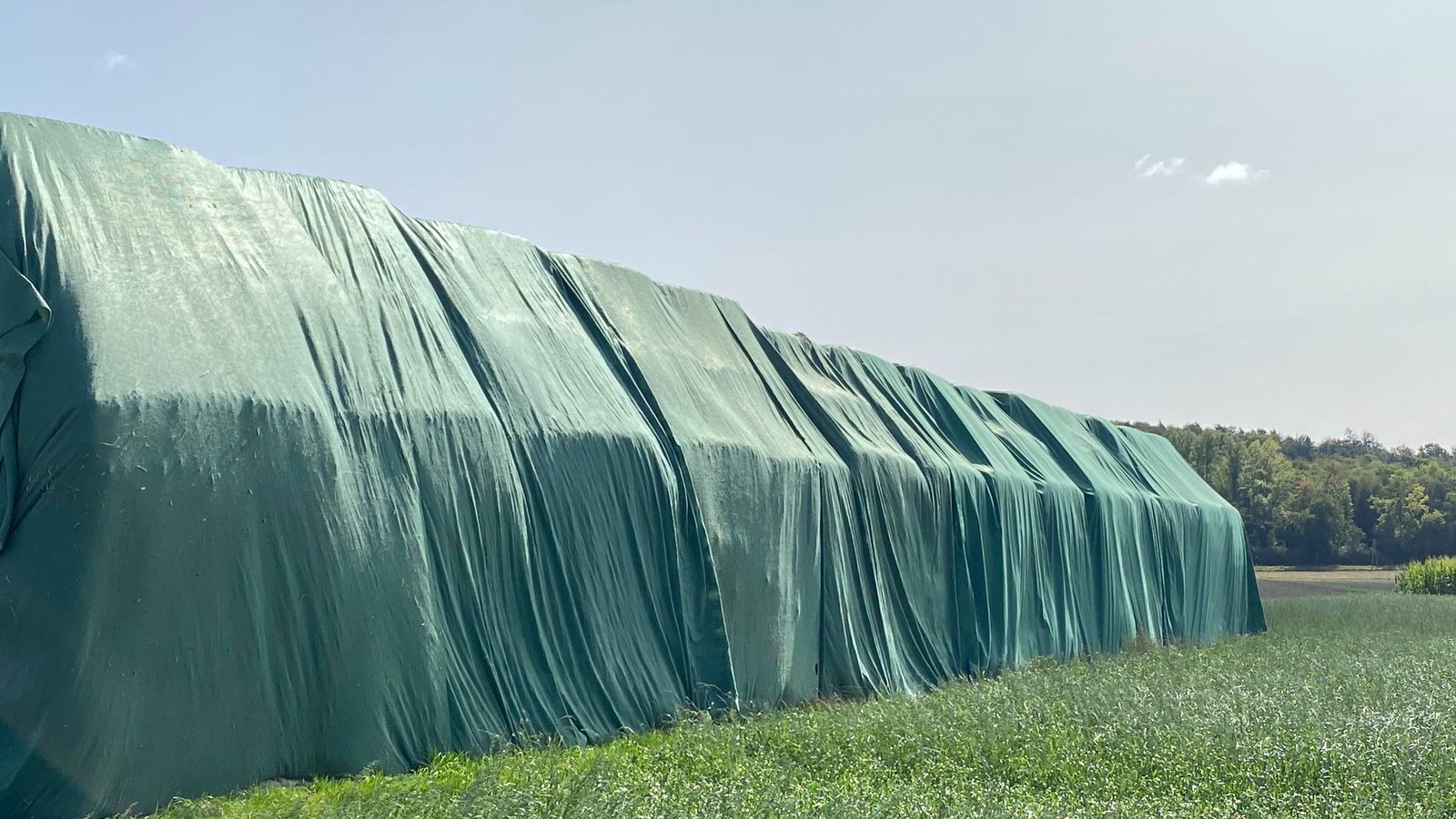
When people think of agriculture, fabrics are rarely the first thing that comes to mind. Yet, Agrotextiles — specialized fabrics designed for agricultural use — have quietly become one of the most important tools in modern farming. From protecting crops against harsh weather to improving soil health and water management, these innovative materials support farmers in achieving higher yields with fewer resources.
By acting as protective barriers, moisture regulators, and temperature stabilizers, agricultural textiles create optimal microclimates that help plants thrive even in challenging environments. Whether used as greenhouse covers, shade nets, or crop protection fabrics, Agrotextiles represent a perfect blend of science and sustainability. They are transforming the way food is grown — making farming not only more productive, but also more environmentally responsible.
What Are Agrotextiles and Why Do They Matter?
Agrotextiles are specially engineered fabrics designed to improve agricultural productivity and sustainability. Unlike ordinary textiles, they are made from high-performance polymers such as polypropylene, polyester, or biodegradable fibers that can withstand sunlight, moisture, and varying weather conditions. Their primary purpose is to protect crops, enhance soil conditions, and support efficient resource use in modern farming.
There are several main categories of agrotextiles, each serving a unique role. Greenhouse covers regulate temperature and humidity, creating stable microclimates for plant growth. Shade nets reduce solar radiation and heat stress, protecting delicate crops from damage. Mulch and weed control fabrics prevent unwanted plant growth while retaining soil moisture. Crop protection nets safeguard plants from birds, insects, and wind.
The importance of agrotextiles lies in their ability to increase crop yields, reduce water and pesticide consumption, and extend the growing season — all while minimizing environmental impact. As global agriculture faces challenges like climate change and resource scarcity, agrotextiles represent a smart, sustainable solution bridging science, technology, and farming.
How Agrotextiles Shield Plants from Nature’s Challenges
In today’s unpredictable climate, farmers face constant threats to their crops — from heavy rain and strong winds to scorching sun and invasive pests. Agrotextiles have become a vital line of defense, offering reliable protection against these natural challenges while maintaining optimal growing conditions for plants.
Wind, rain, and hail protection: Specialized crop protection fabrics and anti-hail nets reduce the physical impact of extreme weather. They prevent mechanical damage to leaves and fruits while allowing air circulation, which helps plants recover faster after storms.
UV resistance: Continuous exposure to sunlight can degrade plant tissues and soil quality. UV-stabilized agricultural textiles filter harmful radiation while allowing sufficient light for photosynthesis, protecting both crops and soil health.
Pest and bird control: Lightweight insect nets and bird-proof meshes act as physical barriers that keep pests and birds away without the need for harmful pesticides, supporting safer and more sustainable farming.
Soil protection and moisture retention: Mulch and ground-cover fabrics reduce soil erosion, block weed growth, and minimize water evaporation, ensuring that roots stay hydrated and nutrient levels remain stable.
Through these protective layers, Agrotextiles enable farmers to safeguard their harvests, extend growing seasons, and maintain productivity even under harsh environmental conditions.
The Sustainability Power of Agrotextiles
In an era where water scarcity and soil degradation threaten global food security, Agrotextiles have emerged as key players in building a more sustainable agricultural future. These innovative fabrics help farmers conserve vital natural resources while improving soil health and productivity.
Water conservation: Through the use of mulch fabrics and ground-cover textiles, Agrotextiles reduce water evaporation from the soil surface, maintain consistent moisture levels, and minimize the need for frequent irrigation — a crucial advantage in arid and drought-prone regions.
Preventing soil erosion: Geotextile-inspired agricultural fabrics act as protective barriers that hold soil in place, especially on slopes or areas exposed to heavy rainfall. This prevents nutrient loss and keeps the soil fertile for longer.
Reducing chemical dependency: Insect nets and weed control fabrics naturally limit pest infestations and weed growth, reducing the need for pesticides and herbicides that can harm the environment and groundwater.
By combining these sustainable benefits, Agrotextiles extend the lifespan and quality of soil, supporting eco-friendly farming systems that use fewer inputs, conserve more resources, and help agriculture coexist harmoniously with nature.
The Economic Impact of Agrotextiles
The use of Agrotextiles has become a game-changer for farmers seeking higher productivity and profitability. These advanced agricultural textiles enable growers to produce more with fewer inputs by optimizing growing conditions and reducing operational costs.
Higher yields and consistent quality: By maintaining stable temperature, humidity, and light conditions, greenhouse covers, shade nets, and mulch fabrics help plants grow faster and healthier. Crops experience less stress from weather fluctuations, leading to larger harvests, improved uniformity, and reduced losses — all of which directly enhance farm income.
Reduced input and labor costs: Agrotextiles minimize water loss and pest damage, cutting down the need for frequent irrigation, pesticide application, and manual weed removal. This reduction in inputs translates into measurable savings for farmers, especially in large-scale and resource-intensive operations.
Long-term profitability: Beyond short-term gains, investing in Agrotextiles offers durable economic advantages. Their long lifespan and multi-season usability lower replacement costs, while higher productivity ensures a stronger return on investment.
In modern farming, Agrotextiles are not just tools for protection — they are strategic assets that help farmers boost yields, reduce expenses, and secure lasting financial stability.
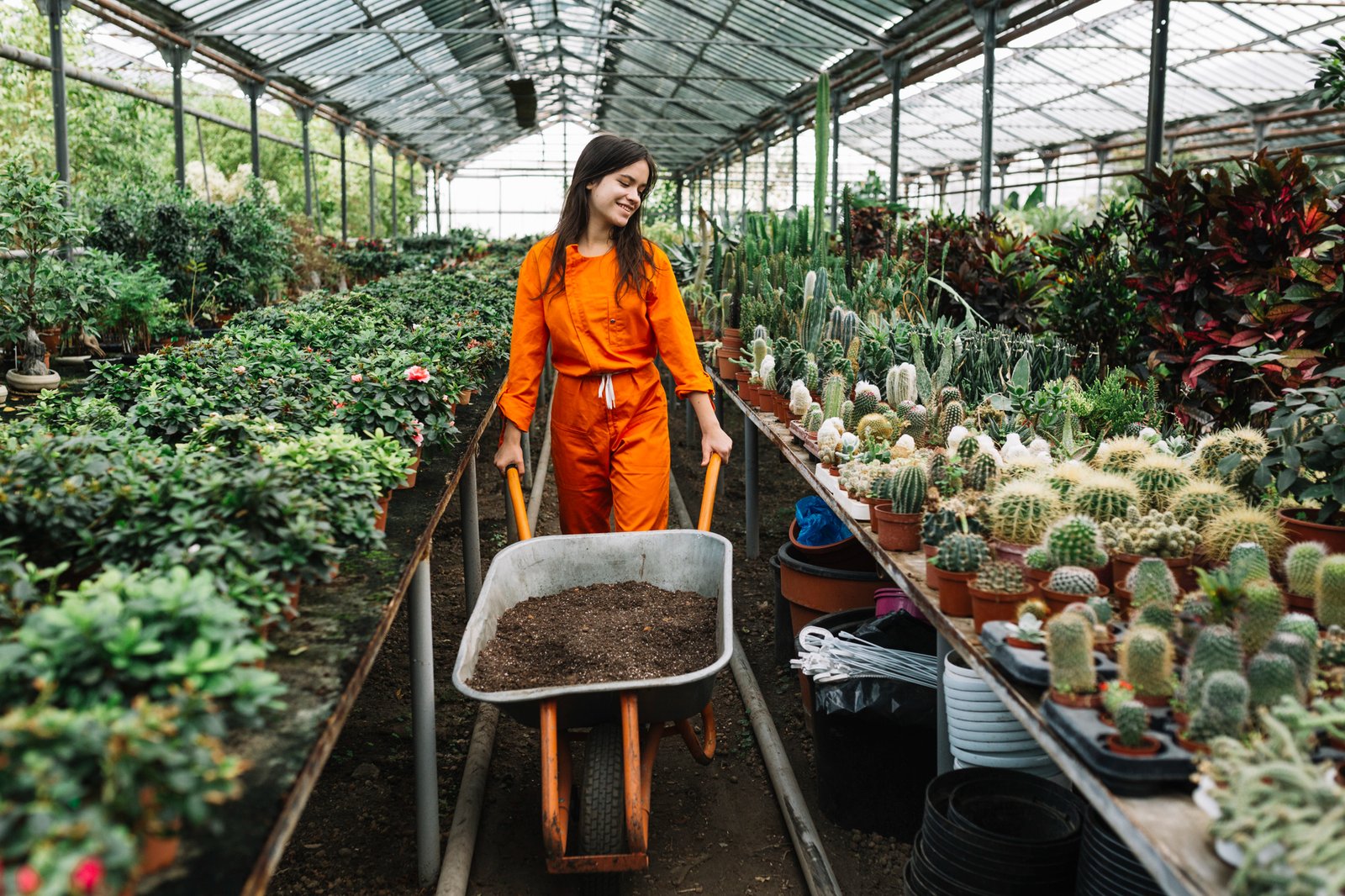
Types of Agrotextiles and Their Applications
Agrotextiles come in various forms, each designed to solve specific agricultural challenges while improving productivity and sustainability. These specialized agricultural fabrics help farmers control environmental conditions, protect crops, and manage soil more effectively. Here are the four main categories and their real-world applications:
- Greenhouse Covers: Made from UV-stabilized polyethylene or polyester, these transparent films and fabrics regulate temperature and humidity while allowing optimal light transmission for photosynthesis. They create a controlled microclimate that enhances plant growth and enables year-round cultivation of vegetables, flowers, and fruits.
- Shade Nets: Designed to reduce excessive sunlight and heat, shade nets protect crops from sunburn and dehydration. They are commonly used in nurseries, tea plantations, and horticulture farms. Different shading percentages (30–90%) allow precise control of light intensity for each crop type.
- Mulch and Weed Control Fabrics: These ground-cover materials minimize weed growth, retain soil moisture, and reduce water evaporation. Widely used in vegetable and strawberry farming, they also prevent soil erosion and maintain consistent soil temperature.
- Crop Protection Nets: Lightweight yet durable, these nets shield crops from birds, insects, hail, and wind. By serving as natural barriers, they reduce the need for chemical pesticides and help maintain cleaner, safer produce.
Together, these Agrotextiles represent an essential toolkit for modern sustainable farming — combining innovation, efficiency, and environmental care in every field.
Innovations Driving the Future of Agrotextiles
The future of Agrotextiles is being shaped by cutting-edge innovations that combine materials science, environmental responsibility, and digital technology. These advancements are transforming agricultural fabrics from simple protective layers into intelligent systems that actively enhance farming efficiency and sustainability.
One major trend is the use of nanocoatings, which improve fabric performance by adding water-repellent, antimicrobial, or UV-resistant properties without affecting breathability. Meanwhile, the growing demand for biodegradable fibers such as polylactic acid (PLA) and polyhydroxyalkanoates (PHA) is helping reduce plastic waste in agricultural applications, supporting a circular and eco-friendly production cycle.
Another breakthrough lies in plasma treatment and surface modification — a clean, chemical-free process that alters fabric surfaces at the molecular level. This technology enhances adhesion, hydrophilicity, and durability, making fabrics more efficient for crop protection and moisture control.
Beyond material innovation, artificial intelligence (AI) is increasingly used to monitor production quality, predict material performance, and optimize energy use in textile manufacturing. Together, these innovations are redefining the role of Agrotextiles, creating a smarter, greener generation of fabrics designed to meet the challenges of modern agriculture.