
How Innovation is Shaping the Industry
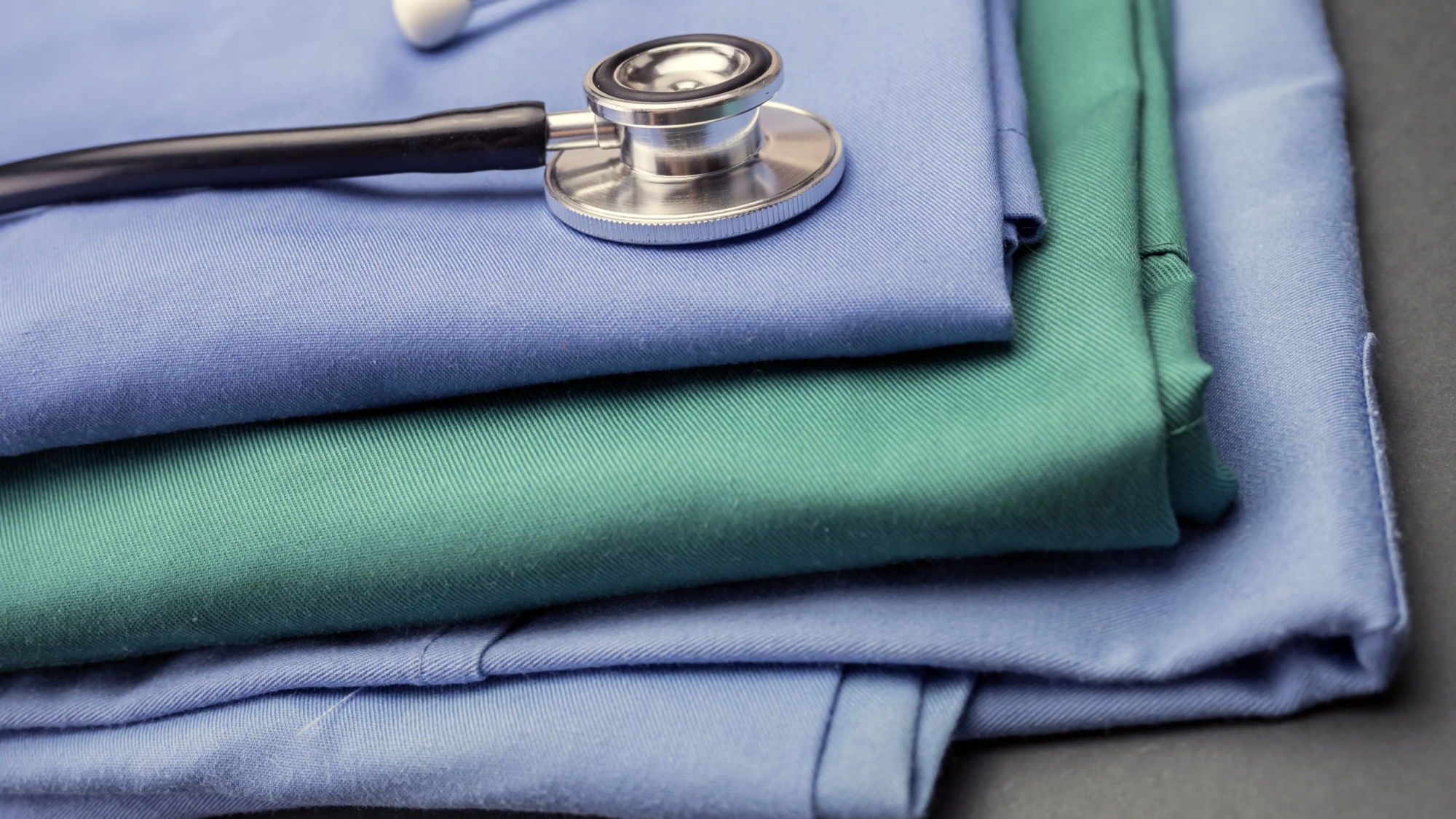
Behind every successful medical treatment, there’s an unsung hero: medical textiles. These specialized fabrics form the invisible foundation of modern healthcare, shaping everything from the comfort of hospital gowns to the safety of surgical masks and implantable meshes. Unlike ordinary fabrics, medical textiles are engineered with specific biological and mechanical functions in mind. They must be sterile, biocompatible, breathable, and durable enough to perform under the most demanding clinical conditions.
Today, the global medical textile industry is at the heart of innovation, blending material science, biotechnology, and sustainability to create next-generation solutions for hospitals, clinics, and patients alike. From nonwoven fabrics used in disposable PPE to advanced woven structures in artificial organs, these smart materials are redefining how healthcare looks and feels. In a world where hygiene, performance, and environmental responsibility are more important than ever, medical textiles stand as a vital link between human health and technological progress.
But how did these fabrics evolve from simple cotton bandages to smart, high-performance materials shaping the future of healthcare? Let’s take a closer look at their journey.
What You’ll Discover in This Article
- From Ancient Fabrics to Smart Textiles: A Brief History
- Key Applications of Medical Textiles Today
- The Science Behind Performance: What Makes a Textile “Medical”
- Sustainability Challenges in Medical Textile Manufacturing
- The Rise of Smart and Eco-Friendly Technologies
- The Future of Medical Textiles: A Smarter, Cleaner Industry
- Fabrizon: Empowering the Next Generation of Medical Textiles
From Ancient Fabrics to Smart Textiles: A Brief History
The story of medical textiles stretches back thousands of years, when natural fibers like cotton and linen were first used for bandages and wound dressings in ancient Egypt and Greece. Early physicians recognized the healing power of clean, breathable fabrics long before the concept of sterilization was formally introduced. As medicine evolved, textile technology advanced as well, and the invention of synthetic fibers in the 20th century paved the way for stronger, more hygienic, and disposable healthcare fabrics.
Today, that evolution has accelerated into the age of smart textiles and nanofiber materials, where fabrics can actively assist in healing, monitor vital signs, or resist microbial contamination. The transition from simple woven cloth to intelligent, high-performance materials marks one of the most transformative journeys in healthcare innovation, redefining what fabric can do inside hospitals and beyond.
Key Applications of Medical Textiles Today
Medical textiles play an essential role in nearly every aspect of modern healthcare, offering solutions that protect, heal, and improve patient comfort. Their applications are generally divided into three major categories: protective, implantable, and healthcare and hygiene textiles.
Protective textiles: include surgical gowns, drapes, face masks, and gloves designed to prevent cross-contamination between patients and healthcare professionals. During the COVID-19 pandemic, the demand for these products surged dramatically, highlighting the vital importance of reliable and high-performance PPE fabrics.
Implantable textiles: such as surgical meshes, vascular grafts, and biodegradable sutures, are engineered to interact safely with the human body. These fabrics require high levels of biocompatibility and strength to support tissue regeneration and long-term stability inside the body.
Healthcare and hygiene textiles: cover a wide range of disposable and reusable products from wound dressings and compression bandages to hospital bed sheets and sanitary wipes.
According to Grand View Research (2024), the global medical textile market exceeded USD 18 billion in 2023 and is expected to grow at over 5% annually through 2030, driven by innovation in antimicrobial fabrics and the ongoing need for advanced protective materials in healthcare systems worldwide.
The Science Behind Performance: What Makes a Textile “Medical”
What sets medical textiles apart from ordinary fabrics is their ability to meet strict biological and mechanical performance standards. These materials are not just designed for comfort, they are scientifically engineered to interact safely and effectively with the human body and medical environments.
A key property is biocompatibility, which ensures that a fabric can contact skin or internal tissues without causing irritation, inflammation, or rejection. Hydrophilicity, or the ability to absorb and manage moisture, helps medical textiles maintain hygiene and comfort in wound dressings, surgical gowns, and bandages. Another critical feature is antibacterial performance, achieved by integrating agents such as silver nanoparticles or copper oxides that prevent microbial growth and infection.
In addition, thermal resistance and chemical stability enable these fabrics to withstand repeated sterilization cycles — essential for reusable healthcare products. Most of these advanced properties are achieved through surface modification techniques, including plasma treatment, chemical grafting, or nano-coating, which alter the outermost layer of the fiber without compromising its structure.
By combining these scientific principles, modern medical textiles deliver safety, durability, and superior functionality that traditional fabrics simply cannot match.
Sustainability Challenges in Medical Textile Manufacturing
While medical textiles play a crucial role in improving healthcare outcomes, their traditional manufacturing processes face serious sustainability challenges. Conventional textile finishing methods often rely on high water and energy consumption, generating large volumes of wastewater containing dyes, solvents, and chemical residues. This not only increases operational costs but also causes considerable environmental pollution.
Chemical finishing methods, used to achieve antimicrobial, hydrophilic, or fire-retardant properties, depend on hazardous substances that may pose health risks to workers and patients if not properly managed. In addition, the disposal of non-biodegradable fabrics and single-use medical products adds to the growing problem of solid waste in hospitals and landfills.
Energy-intensive drying and curing processes further amplify the industry’s carbon footprint, pushing manufacturers to seek greener alternatives. As sustainability becomes a global priority, the medical textile sector is moving toward eco-friendly technologies such as plasma treatment, enzyme-based finishing, and closed-loop water systems that minimize waste and environmental impact while maintaining high-quality performance standards.
The Rise of Smart and Eco-Friendly Technologies
The global medical textiles industry is entering a new era of intelligent and sustainable manufacturing, driven by breakthroughs in plasma treatment, nano-coatings, and AI-based quality systems. These innovations are transforming how fabrics are produced, finished, and optimized for healthcare applications.
Plasma treatment has emerged as one of the most promising eco friendly technologies. It modifies the fabric surface at a molecular level without using water or harmful chemicals, enabling properties such as hydrophilicity, antimicrobial resistance, and enhanced adhesion while reducing energy consumption and waste.
Nano-coatings represent another major leap, allowing ultra-thin protective layers that make textiles antibacterial, antiviral, or self-cleaning. These coatings extend the lifespan of materials and maintain performance even after multiple washing or sterilization cycles.
Meanwhile, artificial intelligence is redefining textile manufacturing through real-time defect detection, predictive maintenance, and process optimization. AI-driven systems can automatically adjust production parameters to ensure consistent quality and minimal resource use.
Together, these technologies are shaping a new generation of smart and sustainable medical textiles, balancing performance, safety, and environmental responsibility in ways that were impossible a decade ago.
The Future of Medical Textiles: A Smarter, Cleaner Industry
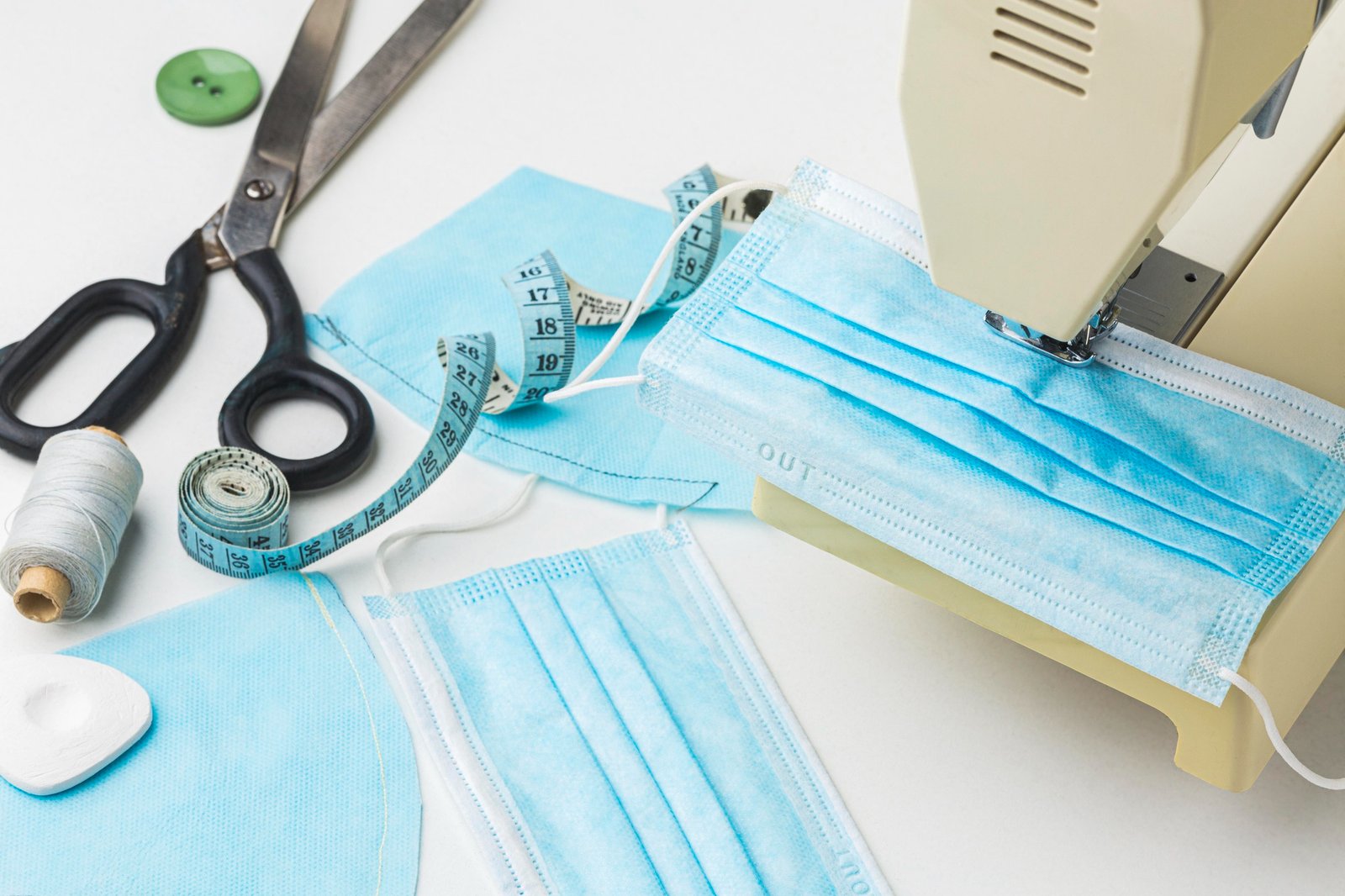
The future of medical textiles lies at the intersection of material science, data analytics, and automation. As healthcare systems demand higher safety and sustainability standards, manufacturers are adopting intelligent production lines that minimize waste, predict maintenance needs, and ensure precision at every stage.
Next generation fabrics will integrate biodegradable polymers, sensor embedded fibers, and AI controlled surface treatments, creating materials that not only protect but also communicate, adapt, and support faster healing.
In the coming years, the medical textile industry will move closer to a closed loop manufacturing model, where every step from raw material sourcing to recycling is optimized for minimal environmental impact. This smarter, cleaner approach marks the evolution of textiles from passive materials into active partners in global health and sustainability.
Fabrizon: Empowering the Next Generation of Medical Textiles
At the forefront of innovation in medical textiles, Fabrizon Plasma Technologies is redefining how healthcare fabrics are treated, enhanced, and manufactured. By combining atmospheric pressure plasma technology with artificial intelligence, Fabrizon offers a clean, precise, and sustainable alternative to traditional chemical finishing methods.
Unlike conventional treatments that rely on water-intensive and chemical-heavy processes, Fabrizon’s plasma systems modify textile surfaces at the molecular level using only air and electricity. This advanced process enables properties such as antibacterial performance, improved hydrophilicity, and greater durability without generating chemical waste or harmful emissions. AI-driven control systems continuously monitor the treatment process, ensuring uniform quality and optimized performance for every fabric type.
Through this fusion of plasma science and intelligent automation, Fabrizon is helping manufacturers produce next-generation eco-friendly medical textiles that meet the highest standards of safety, sustainability, and efficiency. From surgical gowns to smart wound dressings, Fabrizon’s technology empowers the industry to achieve more with less waste, less energy, and zero compromise on quality.
Discover how Fabrizon’s plasma innovation is shaping the future of medical textiles and join us in building a cleaner, smarter, and more sustainable healthcare industry.