
Industry
When we ask What is Plasma, many people think of neon signs or lightning. In reality, plasma is far more important and powerful, especially in advanced manufacturing. As the fourth state of matter, plasma is a highly energized form of gas that becomes reactive enough to change the surface properties of materials without damaging their structure. This makes it one of the most valuable tools in industries that demand precision, cleanliness, and sustainability.
In recent years, plasma technology has gained significant attention in the textile industry. Traditional textile finishing often depends on chemicals, high water consumption, and energy-intensive processes. Plasma offers a cleaner, faster, and more efficient alternative. Through surface activation, cleaning, coating, and functional modification, plasma helps fabrics gain properties such as hydrophilicity, hydrophobicity, antimicrobial performance, improved dye uptake, and enhanced bonding, all without relying on harmful chemicals.
As global demand for sustainable and high-performance textiles increases, plasma has become a core technology shaping the future of material innovation. Whether used for medical textiles, technical fabrics, sportswear, filtration media, or agricultural textiles, plasma enables manufacturers to achieve better quality with lower environmental impact.
If you want to understand how this invisible force is transforming textile production, reducing waste, and unlocking new performance capabilities, keep reading. The next sections will show how plasma works, why it matters, and how it is redefining textile finishing for a more sustainable world.
What is Plasma?
When we ask What is Plasma, the simplest answer is that plasma is an energized form of gas where atoms no longer remain fully intact. Instead, they break into ions, electrons, and neutral particles that move freely and react very quickly. This unique behavior makes plasma fundamentally different from solids, liquids, and ordinary gases, which is why it is widely known as the Fourth State of Matter.
In everyday life, we see plasma in natural phenomena such as lightning, auroras, and the sun itself. In controlled environments, scientists can generate plasma by applying energy to a gas, making its particles excited enough to become reactive. Because of this reactivity, plasma can clean, activate, or modify the surfaces of materials at a microscopic level without affecting their internal structure.
This property has made plasma incredibly valuable across modern science and industry. From semiconductor manufacturing and medical sterilization to aerospace engineering and advanced material processing, plasma delivers precision, cleanliness, and efficiency that traditional chemical-based methods cannot match.
As industries continue to shift toward sustainable and high-performance technologies, understanding What is Plasma and how it behaves as the Fourth State of Matter provides the foundation for exploring its powerful applications — especially in the future of textile processing and finishing.
The Science Behind Plasma – How Plasma Works
To understand What is Plasma, it is essential to look at how plasma behaves at the scientific level. Plasma is often described as an ionized gas, but in reality, it is far more dynamic. When enough energy is applied to a gas, its molecules begin to break apart into ions, electrons, and neutral particles that move independently. This mixture of charged and uncharged particles makes plasma electrically active, highly reactive, and capable of interacting with material surfaces in ways that ordinary gases cannot.
The key difference between plasma and a normal gas lies in this ionization. While a typical gas contains electrically neutral molecules with limited reactivity, plasma behaves like a conductive and energetic medium. Because it contains free electrons and ions, plasma can respond to electric and magnetic fields, generate chemical reactions instantly, and modify surfaces with remarkable precision.
From an industrial perspective, there are two main Plasma Types used in material processing. Low Pressure Plasma is generated inside sealed vacuum chambers, where controlled conditions allow for highly uniform treatment of surfaces. This type is ideal for precision applications such as medical devices and advanced technical textiles. On the other hand, Atmospheric Pressure Plasma operates in open air without the need for a vacuum system. It is a faster, more cost-effective option commonly used in textile finishing, where high-speed surface activation and large-scale processing are required.
Understanding How Plasma Works forms the foundation for exploring its powerful role in improving textile performance, enabling cleaner, more efficient, and more sustainable finishing technologies.
Everyday Examples of Plasma
To understand What is Plasma, it helps to look at examples that appear around us every day. Plasma is not just a scientific concept; it exists naturally and is used in common technologies.
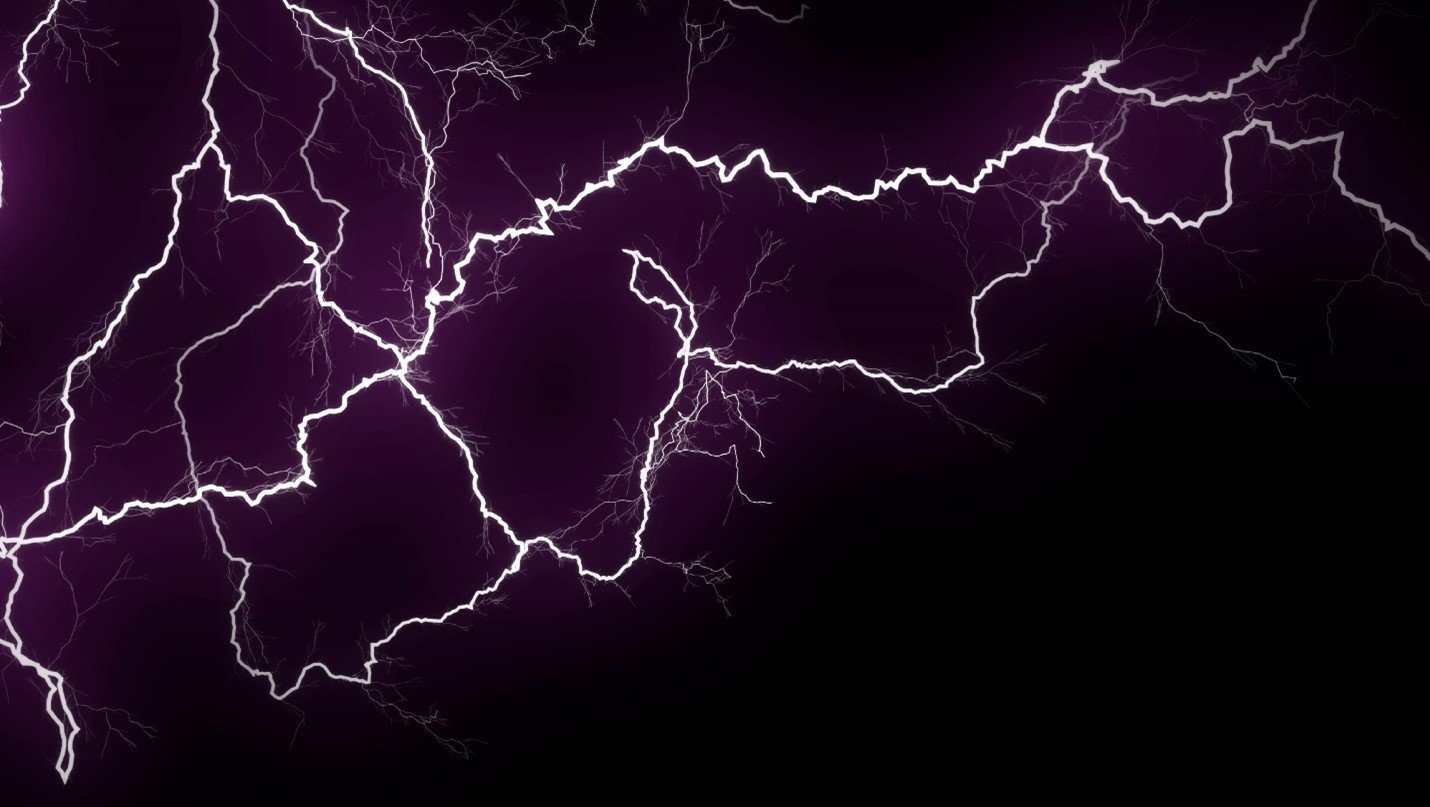
The most powerful natural example is the sun and other stars, where extremely high temperatures ionize gases completely. On Earth, lightning forms when electrical charges ionize the surrounding air and create a bright plasma channel. Even flames can contain small amounts of plasma, which is why fire emits light and can conduct electricity.
Plasma also appears in daily technologies. Neon lights glow because the gas inside the tube becomes plasma when energized. In plasma display panels, each pixel is made of a tiny plasma cell that emits light.
These Plasma Examples show that plasma is a natural and practical part of our world, helping us better understand Plasma in Daily Life and its wide-ranging importance.
Plasma in the Textile Industry
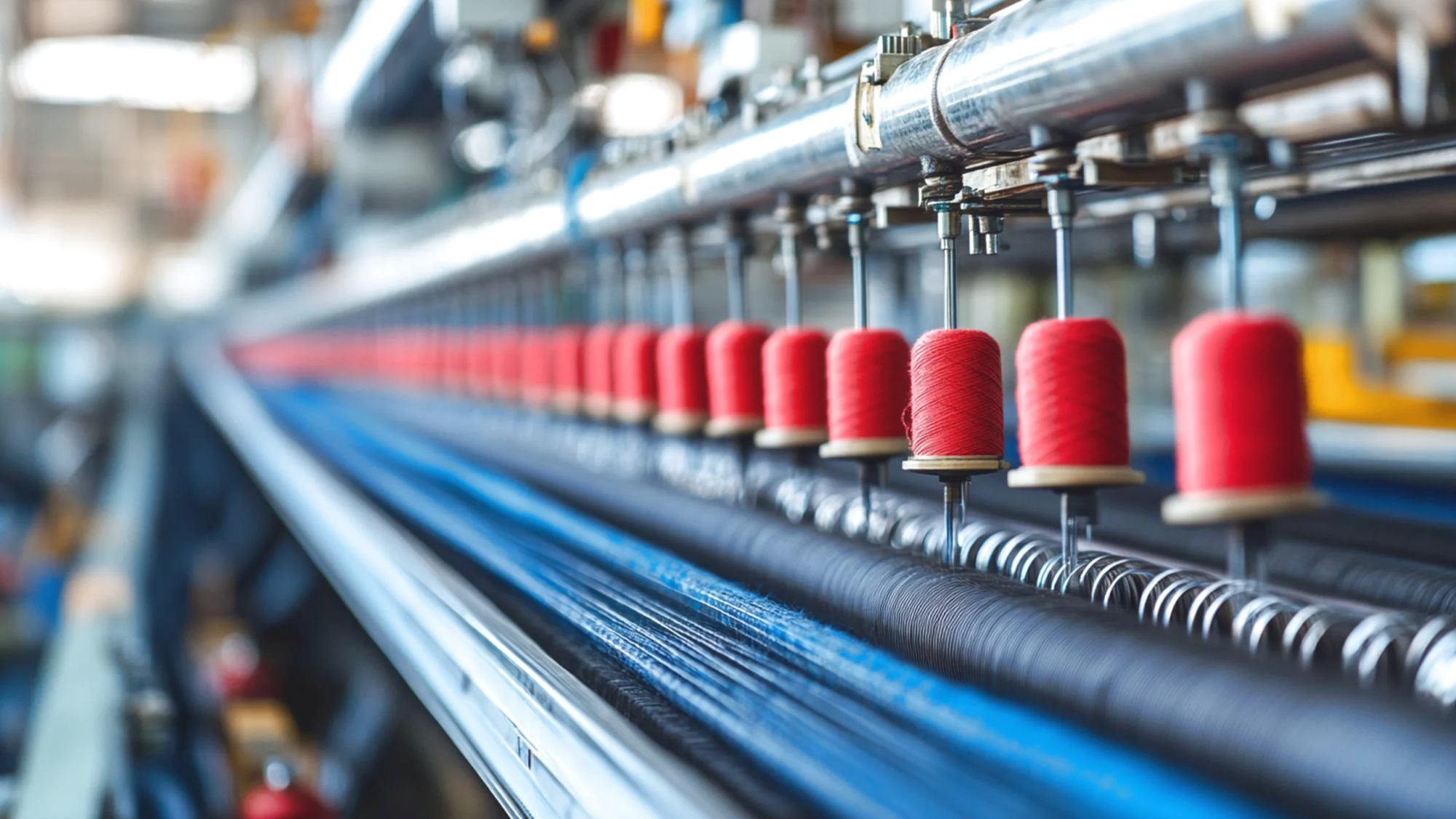
To understand the practical value of plasma beyond theory, it is essential to see how it functions inside modern textile production. Today, Plasma in the Textile Industry is considered one of the most advanced and eco-efficient methods for surface modification. Unlike conventional wet-chemical processes, plasma works in a dry, energy-efficient environment and alters only the outermost molecular layers of the fabric. This makes it a precision technology perfectly suited for high-performance textiles.
One of the primary uses of plasma is surface cleaning and surface activation. During textile manufacturing, fibers are often coated with oils, waxes, or finishing residues that interfere with coating, printing, or bonding. Plasma removes these contaminants at the microscopic level while simultaneously activating the surface, making it more reactive and ready for further processing.
Plasma is also widely used to increase adhesion. Whether a fabric requires stronger bonding with dyes, resins, laminates, or hydrophilic coatings, plasma creates functional groups on the surface that significantly enhance adhesion without damaging the substrate.
In addition, plasma enables fabrics to gain special functional properties. By modifying the surface chemistry, manufacturers can produce textiles that are water-repellent, antibacterial, antistatic, flame-retardant, or hydrophilic, all without heavy chemicals. These capabilities make Plasma in Textiles a powerful tool for industries such as medical textiles, sportswear, filtration media, and technical fabrics.
Advantages of Plasma Technology in Textiles
As the textile industry moves toward cleaner and more efficient production, the Benefits of Plasma in Textiles become increasingly important. One of the strongest advantages is the dramatic reduction in water and chemical consumption. Traditional finishing methods rely on baths filled with dyes, detergents, or functional agents. Plasma, by contrast, works as a dry process that eliminates wastewater and reduces the need for hazardous chemicals.
Plasma technology also supports sustainable textile production. Because it uses minimal resources and operates at low temperatures, it significantly lowers energy use and reduces the environmental footprint of textile finishing. This makes it a strategic technology for brands aiming to meet global sustainability standards.
Another key advantage is that plasma preserves the original feel and mechanical properties of textiles. Since plasma modifies only the surface and not the internal structure, the fabric retains its softness, flexibility, and strength — even after functionalization.
Finally, plasma improves the quality and uniformity of coatings. Surface activation ensures better bonding and more consistent performance across every part of the fabric, resulting in higher-quality products with longer durability.
Together, these benefits position Plasma Surface Treatment as one of the most promising and environmentally responsible innovations in Sustainable Textile Technology.
The Future of Plasma in Textiles
As the textile industry moves toward smarter, cleaner, and more efficient production, the role of plasma is set to expand even further. Understanding What is Plasma is only the beginning — the next generation of applications will blend advanced surface science with intelligent manufacturing. One major trend is the integration of plasma with Smart Textiles, where fabrics will not only gain functional coatings but also interact with sensors, electronics, and AI-driven systems. Plasma enables precise molecular-level modifications, making it possible to improve conductivity, enhance sensor bonding, and create textiles that respond to touch, temperature, or environmental changes.
Another powerful direction is the rise of Green Textile Technology. As global regulations tighten around chemical usage and water consumption, plasma provides manufacturers with an eco-friendly alternative. Because it operates as a dry, low-energy process, plasma reduces waste and enables circular production models, supporting brands committed to sustainable innovation.
Looking ahead, the Future of Plasma involves combining plasma-treated surfaces with biodegradable polymers, nanocoatings, and atmospheric plasma lines designed for high-speed, automated production. These advancements position plasma as a cornerstone technology in next-generation textile manufacturing — enabling better quality, greater performance, and dramatically lower environmental impact.
Conclusion – Why Plasma Matters
Plasma is more than an advanced manufacturing tool; it is a transformative force that is reshaping how textiles are made. By understanding What is Plasma and how it works, it becomes clear why so many industries rely on it for precision, cleanliness, and sustainability. Plasma enhances textile performance through stronger adhesion, cleaner surfaces, and highly functional coatings, all without harsh chemicals or excessive water use.
The key benefits — reduced environmental impact, improved quality, and superior surface functionality — make plasma one of the most promising innovations in Plasma Textile Technology. For companies aiming to compete in modern markets, adopting plasma-based processes is not just an advantage but a necessity.
At FabrizonTech, plasma is at the core of our innovation strategy. Using advanced atmospheric and low-pressure plasma systems, we help textile manufacturers achieve hydrophilicity, hydrophobicity, antibacterial performance, enhanced bonding, and other high-value features — all while cutting down on chemical waste and energy consumption.
As the textile industry continues to evolve, plasma will remain a central technology driving green production, smarter materials, and future-ready fabrics. The message is clear: staying ahead means embracing the next generation of textile innovation — and plasma is leading the way.